
Teen substance use · Ages 13 to 17
Teen addiction treatment in Colorado, without waiting for it to get worse first.
Outpatient treatment for ages 13 to 17 in Boulder and Thornton, for alcohol, cannabis, vaping, and pills. Your teen sleeps at home every night of it, and the family work is on the calendar rather than offered later.

Understanding Teen Substance Use
Most teens who try something will be fine. The early part looks identical either way.
Trying something is close to ordinary in adolescence, and most teenagers who do will not end up with a substance use disorder. The difficulty for a parent is that the early part looks the same whichever way it is going to go, and what starts as occasional use can move toward misuse or dependence without anything obvious marking the change. A substance use disorder is a health condition, not a character result: continued use despite the harm it is doing, with the wanting harder to switch off than the using.
There is a reason this lands harder at fifteen than at thirty. Brains are still developing into the mid-twenties, and MedlinePlus is direct about what that means: taking drugs when young can interfere with developmental processes occurring in the brain, and it can also affect their decision-making. NIDA puts the same period in context, noting that adolescence is a time of growing independence and risk-taking, and that early use of alcohol and other substances can increase the likelihood of going on to use other drugs and of developing a substance use disorder. The practical consequence is that the window matters. The same use pattern is a smaller problem the earlier it is interrupted.
The reasons teenagers use are less mysterious than they look from the kitchen table. MedlinePlus lists them plainly: to fit in, to feel good, to try something they think is thrilling, to do better at something, and to try to get some relief from depression, anxiety, stress, or pain. That last one is the reason most likely to be missed at home, and it is the reason that changes the treatment plan, because a teenager using to make a feeling stop will keep using until something else makes it stop.
What raises the risk is also fairly well mapped. Stressful early experiences and trauma, genetics, how closely a teenager is supervised, and whether their friends use all carry weight. Parents tend to arrive with a theory about which of those it was, usually one that assigns the blame to themselves. In practice it is normally several of them at once, and untangling which are actually driving this teenager is the assessment's job rather than yours.
- Ages 13 to 17
- Boulder and Thornton
- Alcohol, cannabis, vaping, and pills
Signs and symptoms
What parents notice first is almost never the substance.
Any one of these has an innocent explanation and your teen will have one ready. What matters is several of them arriving together and holding. A single item here is worth a conversation; a cluster is worth an assessment. If your teen is unsafe right now, or is talking about suicide or self-harm, call or text 988 before anything else on this page.
Bloodshot eyes, unusually large or small pupils, or a smell you cannot place
Secrecy about where they were, who with, and what happened
A friend group that changed completely and quickly
Grades or attendance dropping with no explanation that holds up
Mood swings past the normal teenage range, or a new short fuse
Paraphernalia, vape pods, or empties turning up at home
Money or valuables going missing around the house
Fatigue, or sleep at either extreme, with nothing else to explain it
Dropping the sport, the job, or the thing they used to care about
Trouble at school, with the police, or from driving
What we see
What a teen starts with is often not what causes the trouble.
Which is why the assessment asks about all of it rather than only the thing you found. Parents usually arrive knowing about one substance. Very few teens are only using one.
Alcohol
The most ordinary starting point, and the one adults are most likely to wave through because they remember doing it themselves at that age.
Cannabis
Legal for adults in Colorado, which changes the argument at home. It does not change that this is a brain still under construction.
Vaping, nicotine and THC
Easy to hide, easy to do all day, and usually the first physical evidence a parent finds. Nicotine and THC both turn up in the same devices.
Prescription pills
Painkillers and ADHD stimulants, which read as safer to a teenager precisely because they came from a pharmacy rather than a stranger.
Inhalants
Ordinary household products used for a short high. The category parents almost never think to ask about, and the one with no purchase to trace.
Stimulants and psychedelics
Cocaine, MDMA, and psychedelics turn up less often, and when they do it is usually alongside something else rather than on their own.
How we treat it
Factual, not moral. That is what gets past a teen who is sure they can stop whenever.
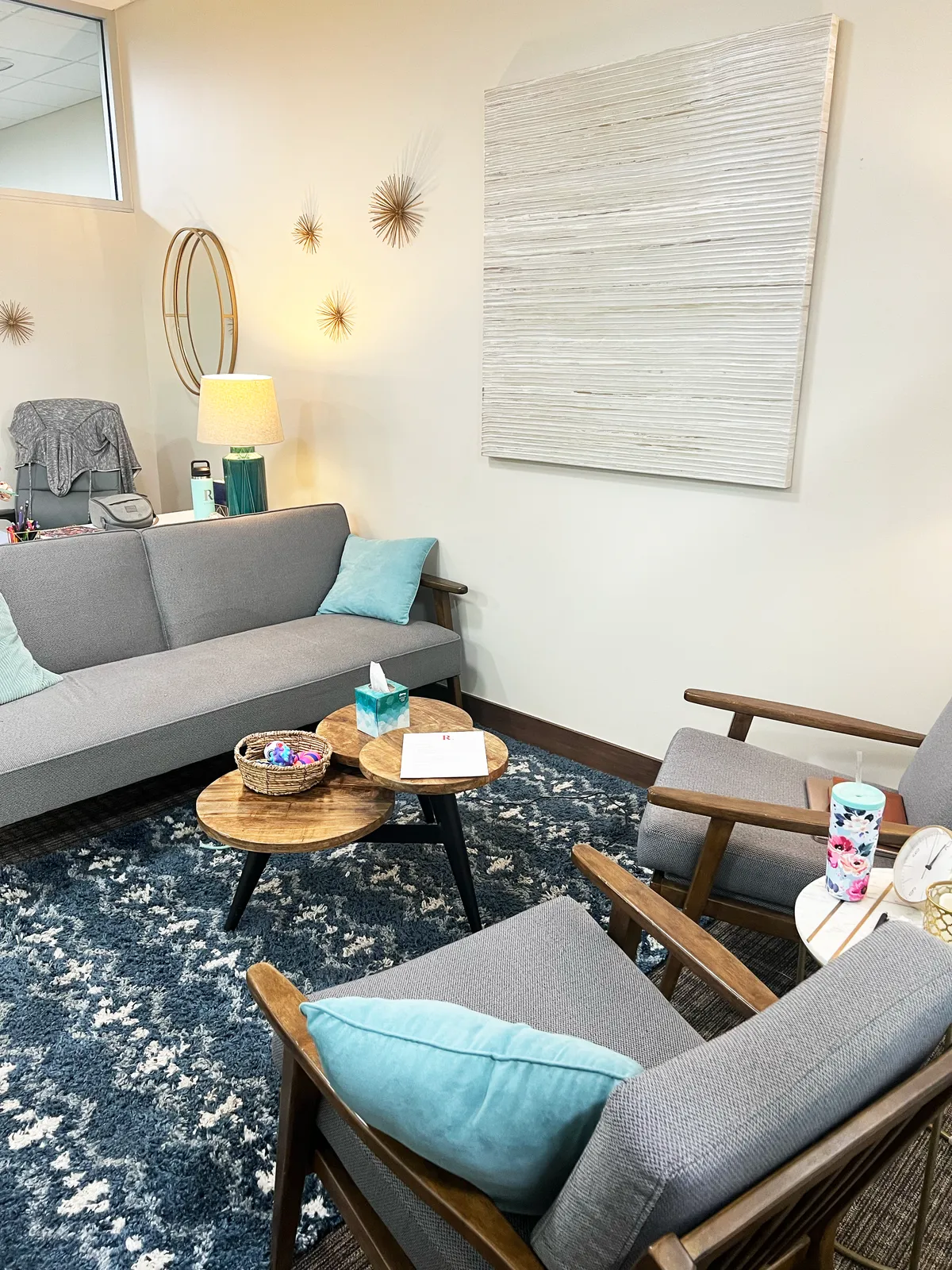
Nothing is planned before your teen is assessed. We go through the substance use history in detail, what they are using, how often, and for how long, alongside physical health, mental health, family dynamics, and anything happening at school or with the law. What comes out of that is a clear answer to the question underneath your search: whether this is experimentation, misuse, or dependence. That answer, not a preference, is what sets the level of care.
From there the plan is built for one teenager rather than assembled from a program. For some teens the work is stopping occasional use and repairing the decision-making around it. For a teen who is dependent it is a good deal more than that. The education is deliberately factual, because most teenagers arrive certain they could stop whenever they wanted and a warning is something a fifteen year old can argue with. Tolerance, withdrawal, and what these substances do to a developing brain are taught as information. NIDA frames the condition the same way we do: addiction treatment is not a cure, but a way of managing the condition.
The therapy itself is named work rather than open-ended talking. Cognitive behavioral therapy for the thinking that keeps use running, motivational interviewing to build a teenager's own reasons for changing rather than borrowing yours, dialectical behavior therapy skills for cravings and the hours when the urge is loudest, EMDR where trauma is part of what is driving this, and our experiential therapies including psychodrama and art therapy for teens who have run out of words for it. Group runs alongside all of it, which is where refusal skills stop being theory and sober friendships become possible.
Most teens here have something else in the picture, and it is treated in the same plan rather than referred out. A teen managing both ADHD and daily cannabis use gets better ADHD management as part of the work, so that the reason to self-medicate is smaller. Care at The Redpoint Center is medically informed and led by a board-certified psychiatrist, so if medication belongs in your teen's treatment it is evaluated by a clinician who can see the whole picture. Our teen programs serve ages 13 to 17; for 18 and over, our adult programs run out of the same offices.
- One clinical assessment first
- Individual and group therapy
- CBT and motivational interviewing
- Refusal and coping skills
- Family sessions on the calendar
- Co-occurring care in the same plan
In the program
What a teen actually learns, and roughly in this order.
No timeline here is a promise, and the pace belongs to the teenager rather than the program. The sequence, though, is deliberate.
- 1
The facts get established before the plan does.
First appointmentWhat they are using, how often, for how long, plus mental health, sleep, school, the family, and anything already involving the police. The assessment separates experimentation from misuse from dependence, and that distinction is what sets the level of care rather than how alarmed anyone is.
- 2
Denial gets met with evidence rather than volume.
Nearly every teen arrives certain they could stop whenever they liked. Tolerance, withdrawal, and what these substances do to a developing brain are taught as information, because a teenager will argue with a warning and has very little to say to a fact.
- 3
Refusal and coping skills, taught by name.
What to actually say on a Friday night without losing face, what to do with a craving while it is happening, and how to handle stress without reaching for something. Rehearsed in group with peers the same age, then used on an ordinary week.
- 4
The house gets brought into it.
Family sessions on communication, boundaries, and rebuilding trust, plus a parent group of your own. Recovery that exists only inside the clinic does not tend to survive the drive home, which is why this is scheduled work rather than an optional evening.
- 5
Triggers get named and a plan gets written down.
Before stepping downWhere the risk actually sits for this teenager, what to do when it turns up, and who to call. Relapse is common in adolescence and it is planned for in advance rather than treated as the end of treatment when it happens.
Levels of care
Neither program takes your teen out of the house.
Redpoint is outpatient. Both levels run out of Boulder and Thornton, both send your teen home at night, and which one fits is a clinical decision made at the assessment rather than something you pick off a page.

Around the treatment
Whether this holds is mostly decided at home.
Family therapy is scheduled work in both programs, and there is a parent group for the parts you would rather not say in front of your teen.
Sessions with the family, from the start
Communication first, then the trust, which is usually the thing that broke before anyone noticed the substance. Booked in at the beginning rather than offered once things are going badly.
Rules that are clear without being a courtroom
Clear expectations and consequences around substance use, held inside a house that is still understanding rather than permanently angry. Both halves of that sentence are the work.
Where support stops and enabling starts
The line is genuinely hard to see from inside your own family, and most parents have crossed it in good faith. Naming it is a large part of what family sessions are for.
A parent group of your own
A support group for parents of teens in the program, so you have somewhere to take your own stress rather than carrying it into the next conversation with your teen.
Something to do on a Friday instead
Sober friendships, a sport or an interest picked back up, and school re-engaged. Stopping is the smaller half of this. What replaces the time is what makes it last.
What happens after the program
Ongoing therapy, community recovery support, and who your family calls if things slip six months from now. Planned during treatment rather than handed over at the last session.
Parent questions
What parents ask once they know something is going on.
How do I tell experimenting from a real problem?
I found vapes, or a pipe, or pills in my teen's room. What now?
My teen says it is just weed, and it is legal here anyway.
Does my teen need medical detox first?
Will my teen have to give up their friends?
My teen is in trouble at school or with the police. Does treatment help with that?
What if my teen is also anxious or depressed?
Does insurance cover teen addiction treatment?
What if this is an emergency right now?
You do not need proof before you call.
Most parents call with a handful of small things: a smell, a missing bottle, a friend group that changed over one summer. That is enough to start with, and working out what it adds up to is our job rather than yours.