
Continuing care
Outpatient Program (OP) in Colorado.
Our least intensive level of care: weekly therapy that holds the work in place once an intensive program ends, delivered by telehealth from anywhere in Colorado.

The least intensive level
Care that keeps going after the intensive part ends.
An outpatient program, or OP, is the least intensive level of structured treatment on the continuum of care. Federal treatment guidance puts standard outpatient at roughly one to two sessions a week, an hour or two at a time, against the nine or more weekly hours that define intensive outpatient. Treatment takes a small, regular place in your week instead of the center of it.
Most people reach this level from somewhere else. That same guidance describes outpatient as where people stepping down from a more intensive program keep building relapse-prevention skills, while they work through the personal, relationship, employment, and legal problems that early recovery tends to surface. Others start here, when steady weekly support is what the situation actually calls for.
Lighter does not mean shorter. The National Institute on Drug Abuse is direct about it: for outpatient treatment, participation of less than 90 days is of limited effectiveness, and longer is generally better. We treat mental health conditions on their own at this level too, and substance use and co-occurring conditions together, including alcohol, opioids and fentanyl, and the mental health conditions involved.
- You have finished PHP or IOP and want the work to keep going
- You are steady enough that accountability matters more than intensity
- Weekly individual therapy is genuinely enough for where you are now
- You want to stay connected to a care team rather than end cold
Ongoing support
What outpatient care includes.
Less time, not less care. The parts that carry the most weight at this stage stay exactly where they are.
Individual therapy
Regular one-to-one sessions with a clinician who already knows your history and your plan.
Medication management
Medical and psychiatric care overseen by our Medical Director, Ryan Hashem, MD.
Relapse prevention
Keep building and testing the skills that have to hold once the structure comes off.
Case management
Practical help with the work, school, legal, and family logistics you are re-entering.
Family support
Sessions for the people at home, when your care team agrees it will help.
Alumni support
Stay connected to the Redpoint community long after your last scheduled session.

Where it happens
Delivered by telehealth, not tied to one office.
For adults, The Redpoint Center's outpatient program runs by telehealth rather than out of a particular office. You join from wherever you are in Colorado, which means the least intensive level of care does not come with the longest drive. That matters most at exactly this stage: you are back at work and back in your own routine, and a weekly commute is the kind of friction that quietly ends good treatment.
What does not change is the clinical model. Treatment planning, medication management, and medical oversight run through the same team and the same Medical Director, Ryan Hashem, MD. If your situation calls for more structure than one session a week, our intensive outpatient and partial hospitalization programs run in person at six Colorado offices, and virtual IOP carries that same intensity online.
- No weekly drive, no parking, no hour lost getting there and back
- Scheduled around a full workweek rather than the other way around
- Available anywhere in Colorado, not only near a Redpoint office
- A private, confidential video session on a device you already own
In their words
Tonya made sure I had a good plan in place before discharge. Tonya and Mandy made themselves available by phone if I ever need anything as well. Very comforting to have that.
Levels of care
Where outpatient sits.
Outpatient is the last structured step rather than the only one. If an assessment points somewhere with more support in it, we will say so.



Outpatient (OP)
Lighter-touch weekly therapy for step-down and continuing care as you return to your routine.


Check what your plan covers
What you pay for outpatient care depends on your specific policy, so we check it rather than guess. The Redpoint Center verifies your benefits at no cost and explains any out-of-pocket amount before you begin, with no obligation.
Accepted insurance
Employer and EAP partners
Don’t see your plan? Call us and we will check it, including out-of-network benefits.
Getting started
Three steps into outpatient care.
- 1
Reach out
About 10 minutesCall (303) 219-0973 or verify your insurance online. A real person answers, and there is no pressure.
- 2
A brief assessment
We talk through where you actually are right now and confirm outpatient is the right level, or point you to the one that fits. Stepping down too early is a real risk, and we would rather say so than book you in.
- 3
Set your weekly session
We schedule around your work and your household, send you what you need to join, and you start.
Good to know
Outpatient questions, answered.
What is an outpatient program (OP)?
What is the difference between OP and IOP?
Where does Redpoint offer outpatient treatment?
How long does outpatient treatment last?
Do I have to finish IOP before starting outpatient?
What happens if I relapse while I am in outpatient?
Does insurance cover outpatient treatment?
The people you would be working with
Outpatient is a long relationship with a small number of people. These are the clinicians behind every level of care at The Redpoint Center.

Margaret McLoughlin
Primary Therapist

Audrey Steele
Primary Therapist

Eric Shaw
Primary Therapist
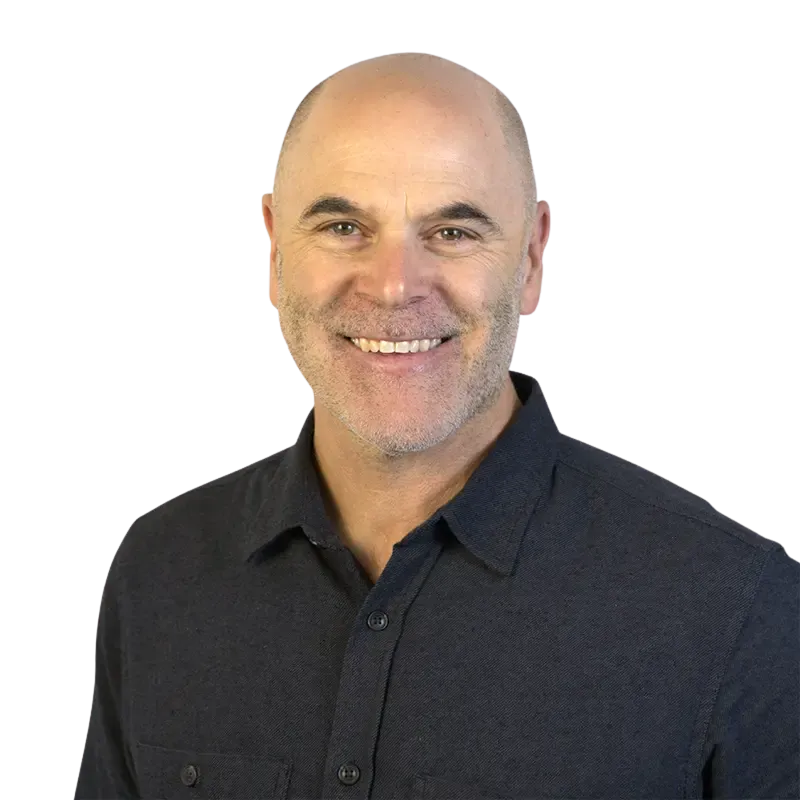
Augie Truhn
Primary Therapist

Chelsea Andrew Devault
Primary Therapist


