About Redpoint
Who we are.
A locally owned outpatient program for substance use and mental health, with six offices across Colorado and a psychiatrist as medical director.
Our practice
Outpatient care, owned and run in Colorado.
The Redpoint Center is an outpatient substance use disorder and mental health treatment program, and we work in six Colorado towns: Fort Collins, Boulder, Longmont, Thornton, Greeley, and Glenwood Springs. Between them we serve Boulder, Larimer, Garfield, Weld, and Adams counties.
We are locally owned, licensed, and accredited, and we are operated here rather than run from somewhere else. Decisions about how a program runs get made by people who are in the building, and the person answering your first call works for the same organization as the clinician you will eventually sit with.
Our team of licensed professionals understands what it takes to start again, and between them they bring a wide set of tools to the work rather than one house method everyone is routed through. What we are trying to build with each client is not abstinence in isolation. It is a life with community, purpose, and recovery in it, which is the standard we hold ourselves to.
- Six offices across five Colorado counties
- Locally owned, licensed, and Joint Commission accredited
- Licensed clinicians and a psychiatrist as medical director
Our name
The meaning of Redpoint.
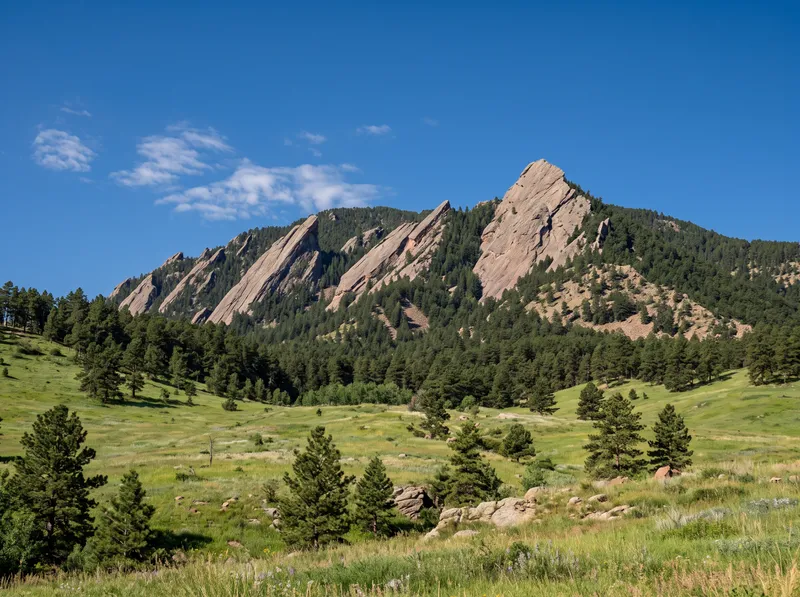
In rock climbing, to redpoint a route means to finally climb it clean, all the way, after you have already tried it and fallen off. The word carries the failure inside it. A route you send first try does not get called a redpoint. It only counts as one because you came back.
That is why the center is named for it. Almost nobody arrives here on a first attempt. Most people have already tried to stop, already had a stretch that worked and then did not, already sat through a version of this conversation with someone else. Treating that history as evidence of failure is both wrong and useless. In climbing it is just what the route costs.
So the falls are not the disqualifying part of your record. They are the part that makes the climb count. Come experience your Redpoint with us.

How treatment works here
Care built to fit around your life.
Outpatient treatment is not a lesser version of residential care. It is a different bet: that people do better when they practice recovery in the life they actually have to live in, with the job, the family, and the pressures still switched on. SAMHSA's clinical guidance on intensive outpatient treatment puts it plainly, that a major strength of intensive outpatient treatment is that clients have the opportunity to cope with their illness and make changes in their behavior while living at home.
That only works if the schedule is real. Groups run during the day and in the evening, so treatment can sit around a shift or a school run instead of replacing it. You attend at one of our offices, and then you go back to the week you are actually trying to hold together, which is where the skills get tested.
It starts with a free, confidential assessment. That conversation decides the level of care: partial hospitalization if you need the most structure, intensive outpatient for several sessions a week, or outpatient as things stabilize. Case management runs alongside the clinical work, so the practical parts do not become one more thing you have to project-manage alone.
- A free, confidential assessment on the first call
- Day and evening groups so treatment fits your schedule
- Case management alongside your clinical care
Our mission
Climbing toward change takes courage.
You never have to do it alone. At The Redpoint Center, we are here as your trusted partner, offering steady support rooted in compassion, honesty, and integrity. We are dedicated to genuine connection and walking alongside you, sharing in your journey and celebrating your growth every step of the way.
Authenticity
We believe healing begins with being real. We show up with honesty and invite others to do the same.
Intention
Every action we take is thoughtful and aligned with our purpose: to support meaningful, lasting change.
Integrity
We lead with ethics and transparency, doing what's right even when it's not easy.
Compassion
We meet every person with care and understanding, creating a space where people feel seen, heard, and supported.
Accountability
We take ownership of our words, actions, and impact, because transformation requires commitment.
Community
Recovery holds when it is not held alone.
This is the part of the work that is easiest to dismiss and hardest to replace. SAMHSA defines recovery as a process of change through which individuals improve their health and wellness, live a self-directed life, and strive to reach their full potential, and it names four dimensions that sustain it: health, home, purpose, and community. Two of those four are things no clinical hour can hand you. Community, in that framework, means relationships and social networks that provide support, friendship, love, and hope.
Which is a formal way of saying what our clients tell us anyway. The groups matter, but so does knowing people afterward. Our six offices sit inside towns with established recovery communities that have been doing this for a long time, and a client who finishes with us is stepping into something that already exists rather than starting from nothing.
So we keep the door open past discharge. Alumni events, extended contacts, and bi-weekly family support groups keep that network live, and the family groups exist because the people around a client are going through their own version of this and deserve support of their own. There is a social side too, and we are not embarrassed about it: summer picnics, comedy shows, and adventure outings with staff, clients, and alumni together. The friendships that come out of this place routinely outlast the treatment.
Who does the work
A team you can look up by name.
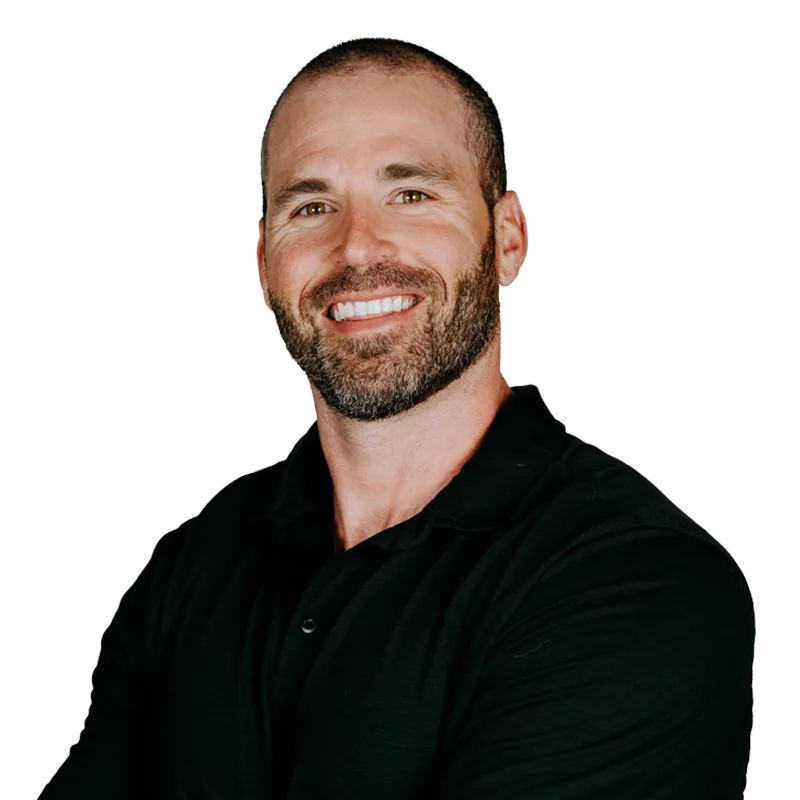
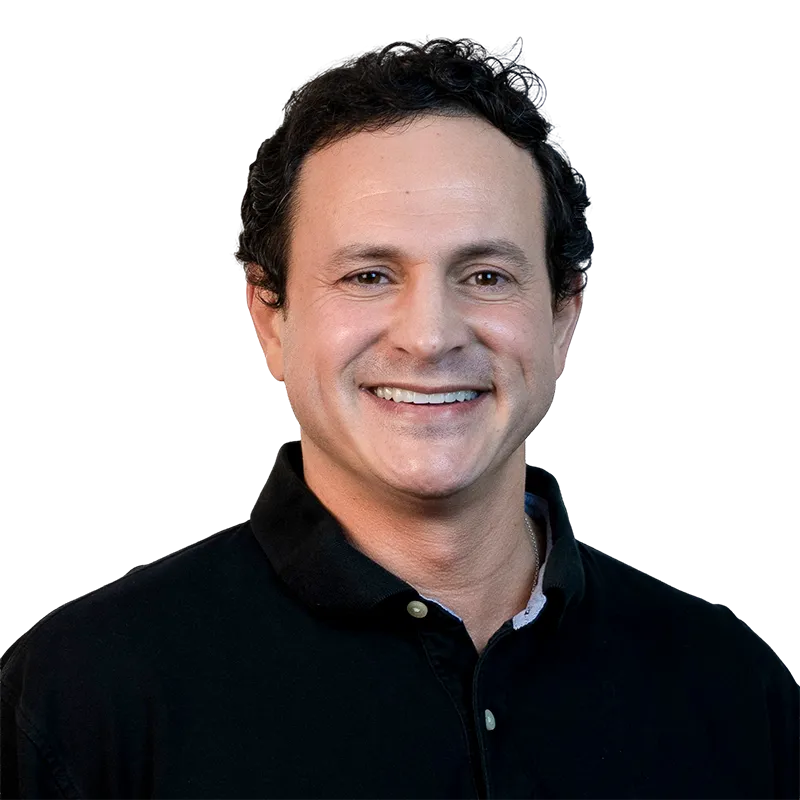
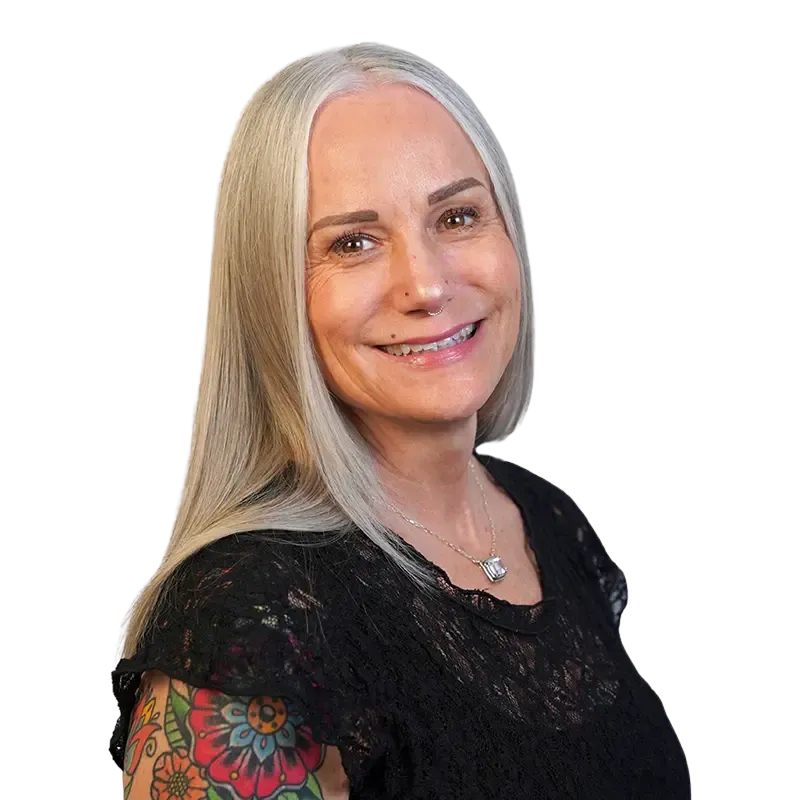
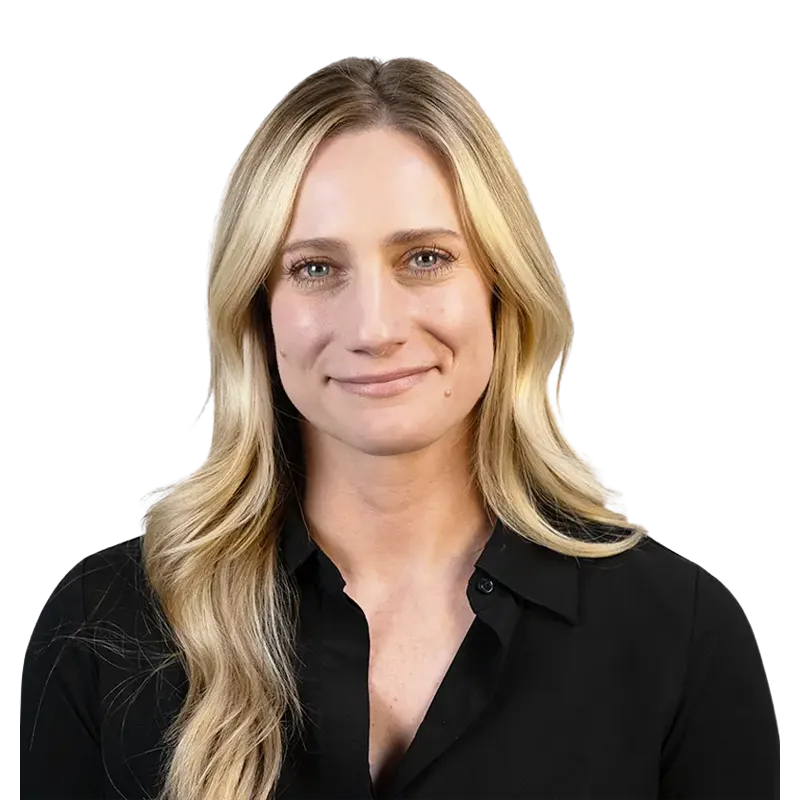
Every clinician, counselor, and admissions specialist at Redpoint has a page with their real credentials on it. Medical oversight sits with our Medical Director, Ryan Hashem, MD, a board-certified psychiatrist.
From a family
Redpoint was there before we needed support. They were a resource in helping us figure out our options, both inside and outside of their program.
Locations
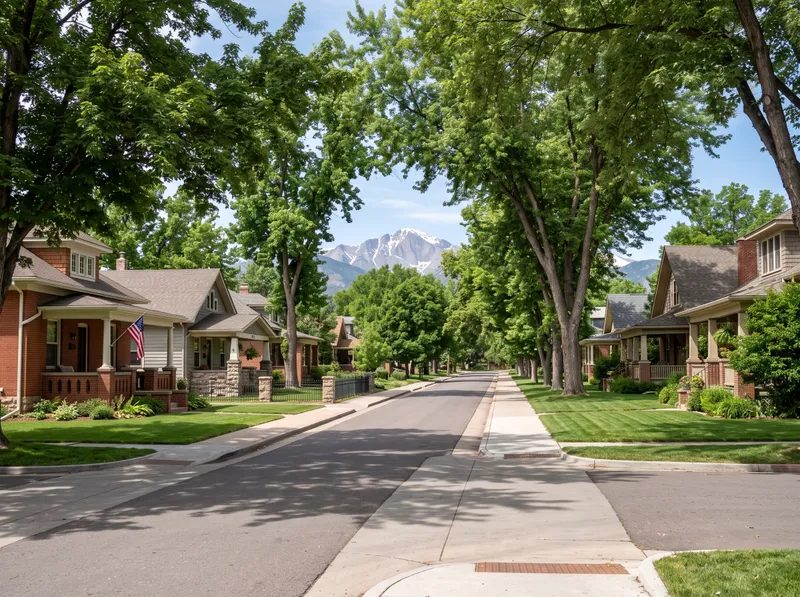
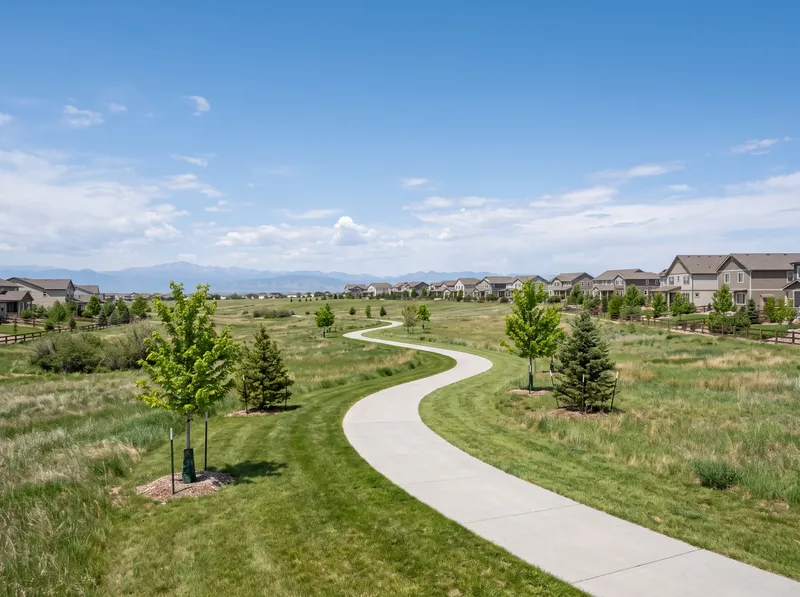
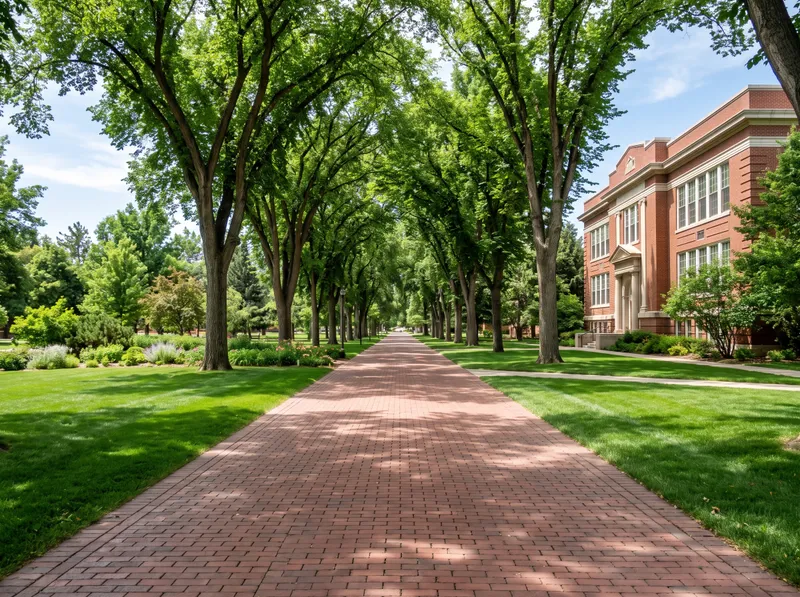
Six offices across Colorado.
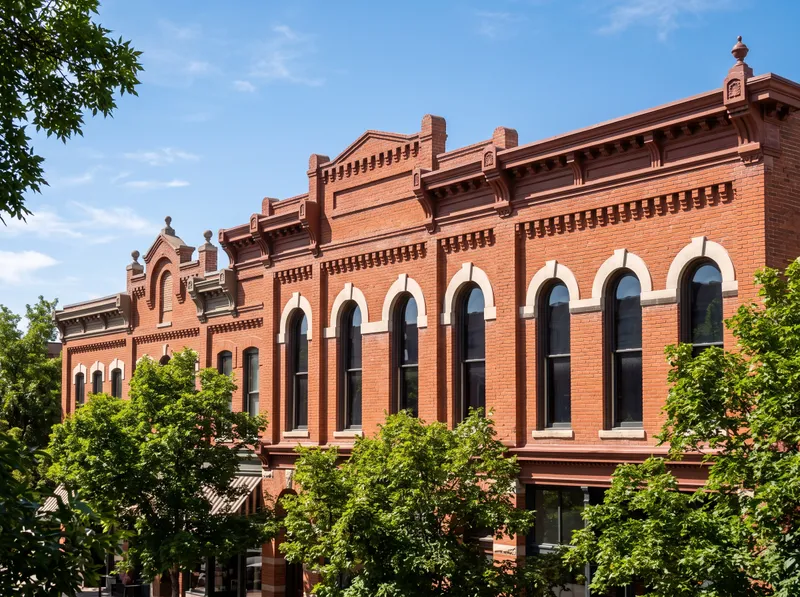
Boulder, Larimer, Garfield, Weld, and Adams counties. You are welcome to call and set up a time to tour an office and meet the staff before you commit to anything.

What people ask before they call.
Is The Redpoint Center accredited?
Where are your Colorado offices?
Who oversees clinical care?
Is The Redpoint Center locally owned?
Do you accept insurance?
What levels of care do you offer?
Come find out what the climb looks like.
Every assessment is free and confidential, and it is a conversation rather than a commitment. Tell us what is going on and we will be honest about whether Redpoint is the right fit, including when it is not.