Alumni Services
Connected in Recovery.
Alumni of The Redpoint Center stay in touch through monthly events and the people they met here. If you came through one of our programs, this is still your community.
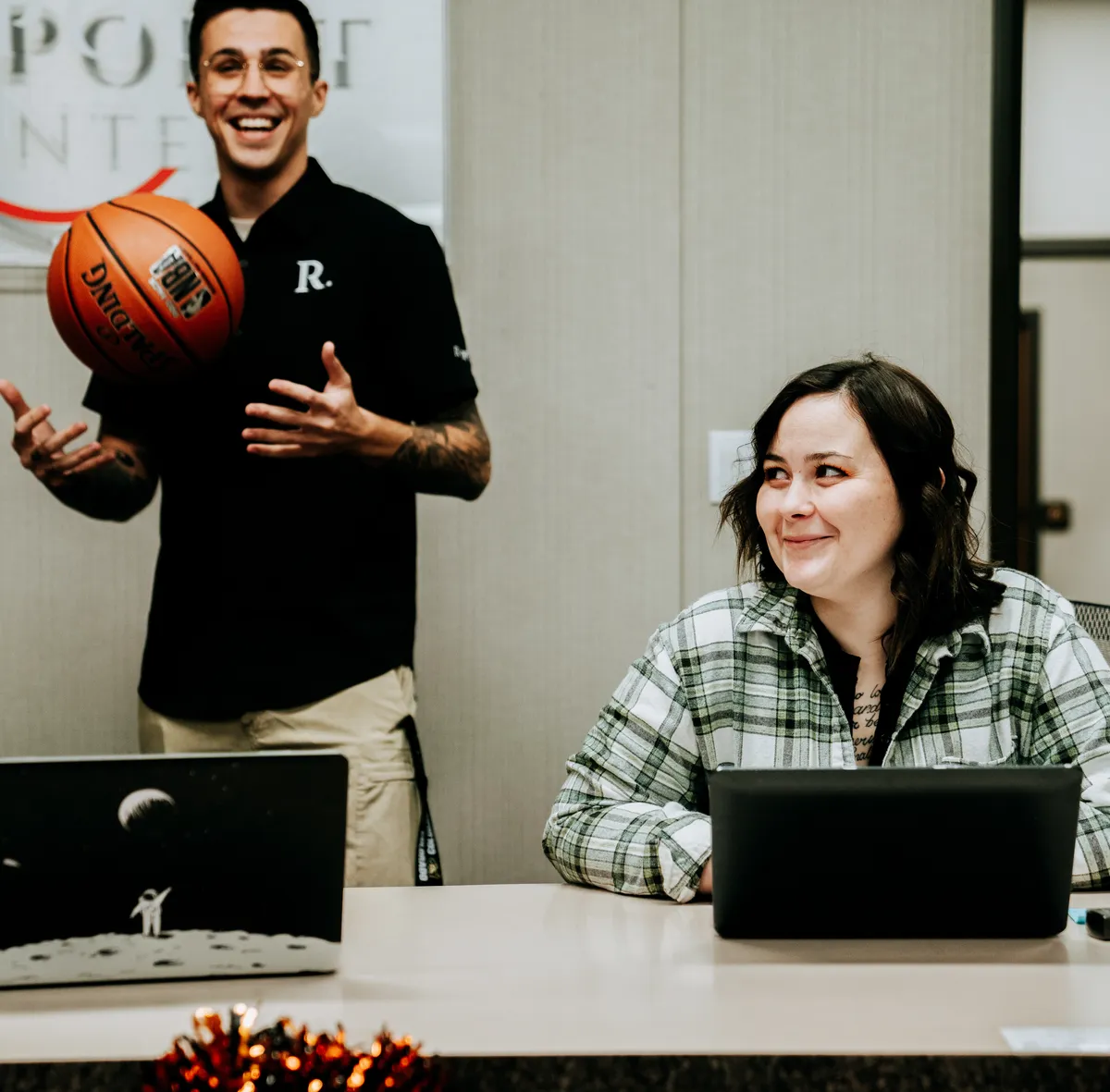
Why We Keep In Touch
It takes a village.
Recovery is an incredible journey. And it takes a village. The Redpoint Center alumni program exists so the support does not stop on the day your program does.
For so many, their time at The Redpoint Center has been a cathartic and healing journey. New lives are built, families are reconnected. We know that the relationships to us and the relationships to peers are vital to ensure long term recovery.
That is not only sentiment. The Surgeon General's report on addiction describes recovery support services as the community services that provide emotional and practical support along with daily structure and rewarding alternatives to substance use, and finds that taking part in mutual aid groups works by strengthening recovery-supportive social networks. Connection is doing something, not just feeling like something.
Peer support runs on the same principle: people who have been through recovery themselves are unusually good at helping someone else stay in it. Our alumni program is run by someone who came through our programs as a client.
None of this is bolted on at the end. Alumni support is part of both our intensive outpatient and partial hospitalization programs, and building friendships and learning how to have fun when we are sober really helps to sustain recovery.
What We Do
What alumni events look like.
Something every month, and it changes with the season. Staff come too, which is rather the point. These are not office hours, they are fellowship: evenings and afternoons with people who know your story.
Game nights
Cards, board games, and the sort of low-key evening that is easy to say yes to when you are not certain you feel like going out.
Sober concerts
Live music, no bar. A reminder that most of what you thought you would lose in recovery is still there.
Dinner outings
A table, a group, and a couple of hours. Some of the best conversations happen over a meal with nowhere else to be.
Summer picnics
Warm weather, food outside, and the easy version of a get together. Staff, clients, and alumni all in one place.
Comedy shows
A sober line up, a few times a year. Proof that a night out does not have to involve a bar.
Adventure outings
Colorado is right outside the door. Getting into it as a group is one of the better parts of the year.
Community
Love this place, the staff, the clients, the people in general.
Continuing Care
What happens when your program ends.
Leaving a program is its own transition. It gets planned rather than left to chance.
- 1
You and your team make a plan before you finish
Before dischargeAftercare planning happens while you are still in program, not on your last day, so you leave with something worked out rather than a vague intention.
- 2
Ongoing therapy options get identified
Your team works with you to find the appropriate continuing therapy, so the work carries on at whatever intensity now fits your life.
- 3
Support groups and resources
Alongside therapy, we help you connect with support groups and community resources, so there is structure in your week that is not clinical.
- 4
The alumni community stays open
MonthlyEvents run monthly and you are welcome at them. This is the part of care with no completion date.

Your Contact
Share your experience with us.
Andy Lopez runs alumni relations at The Redpoint Center, and he came through the programs first. He was a client in Redpoint's sober living and IOP, with a sobriety date of March 26th 2019, and he is active in Alcoholics Anonymous. He has found his purpose working with sober living clients and the alumni program.
If you are a Redpoint alum, get in touch. Tell him what you have been up to, ask what the next event is, or just say hello. And if you would like to share your story so that someone earlier in this can read it, Andy is the person to send it to.
Where To Next
The rest of the community.
Alumni services is one piece of what continues. These are the others.
Common Questions
What alumni ask.
What is Redpoint's alumni program?
How often do alumni events happen?
Does support continue after my program ends?
What if I have relapsed since I finished?
How do I get involved?
Why does staying connected matter so much?
The door stays open.
Whether you finished last month or several years ago, you are welcome at the next one. Call or text and we will tell you when it is.
(303) 219-0973We accept most major insurance plans and our team will help verify your coverage at no cost.