
Levels of Care
Intensive Outpatient Program (IOP) in Colorado.
Structured, flexible treatment for mental health conditions, substance use, and the two together, so you can keep working, studying, and living at home while you heal.

What IOP is
Full support that fits around your life.
An intensive outpatient program, or IOP, is a structured level of care for adults who need more than a weekly therapy hour but do not need to live at a facility or step away from daily life. You attend focused treatment several times a week, then go home each day. The U.S. Substance Abuse and Mental Health Services Administration places IOP in the middle of the continuum of care, a step down from residential or partial hospitalization and a step up from standard outpatient therapy.
It works. A national review published in Psychiatric Services found that intensive outpatient and partial hospitalization studies reported 50 to 70 percent of participants abstinent at follow-up, and rated the overall evidence for IOP as high, comparable to inpatient care for most people. At The Redpoint Center, care is built around your life, not the other way around.
- Need real structure but do not require medical detox or 24-hour supervision
- Are stepping down from residential or a partial hospitalization program
- Want to keep working, studying, or caring for family during treatment
- Are managing substance use alongside anxiety, depression, or trauma
What to expect
A typical week in IOP.
Group therapy
Work alongside peers in group sessions and support meetings, the core of IOP.
Individual therapy
Meet one to one with a clinician to work through what sits underneath the substance use.
Trauma-informed care
Our team is trained to help you process trauma without the risk of re-traumatization.
Coping skills and routines
Build practical skills, mindfulness, and daily routines that hold up after treatment.
Medication management
Medical and psychiatric care overseen by our Medical Director, Ryan Hashem, MD.
Family support
Optional family sessions during the week to rebuild trust and strengthen support at home.
Which level of care fits
IOP vs PHP vs outpatient.
Three outpatient levels of care. The real difference is how much structure you need right now.
Most structured
Partial Hospitalization
The most structured level
Full treatment days, about 5 days a week
Yes
Day-long structure, but not 24-hour care
- Group and individual therapy
- Psychiatric care
- Medication management
Step up from IOP, or step down from residential
Moderate structure
Intensive Outpatient
Structured and flexible
Half-days, 3 to 5 days a week (mornings or evenings)
Yes
Real support while keeping work, school, or family
- Group and individual therapy
- Case management
- Recovery coaching
- Family support
- Medication management
- Alumni support
Step down from PHP, or step up from outpatient
Least intensive
Outpatient
The least intensive
Weekly sessions
Yes
To maintain progress once you are stable
- Individual therapy
- Ongoing check-ins
- Alumni support
A step down from IOP
Schedules reflect general level-of-care standards from the American Society of Addiction Medicine. Your exact plan is set with your care team.
Primary focus
Substance use we treat.
Structured IOP care for the substances that most often bring adults to treatment, with medical support and relapse prevention built in.
Mental health conditions we treat.
Some people come to us for a mental health condition on its own. Others are managing one alongside substance use. Our IOP treats either, and when both are present it treats them together so one is not left to drive the other.
Anxiety disorders
Generalized anxiety, panic, social anxiety, and OCD, treated on their own or alongside substance use.
Depression and bipolar
Major depressive disorder, persistent depression, and bipolar disorder.
Trauma and PTSD
Trauma-informed care that works through what sits underneath, without the risk of re-traumatization.

Family involvement
Family is part of the plan.
- Makes therapy and the rest of treatment more effective
- Encourages greater accountability
- Rebuilds self-esteem and confidence
- Strengthens family bonds and healthier dynamics
- Builds a lasting support system for aftercare and long-term recovery
Where we treat
IOP at our Colorado locations.
Attend in person at one of six Colorado offices, or join our virtual IOP from anywhere in the state.
Most major insurance covers IOP
The Redpoint Center verifies your benefits at no cost and explains any out-of-pocket amount before you begin. No surprises, and no obligation.
Accepted insurance
Employer and EAP partners
Don’t see your plan? Call us and we will check it, including out-of-network benefits.
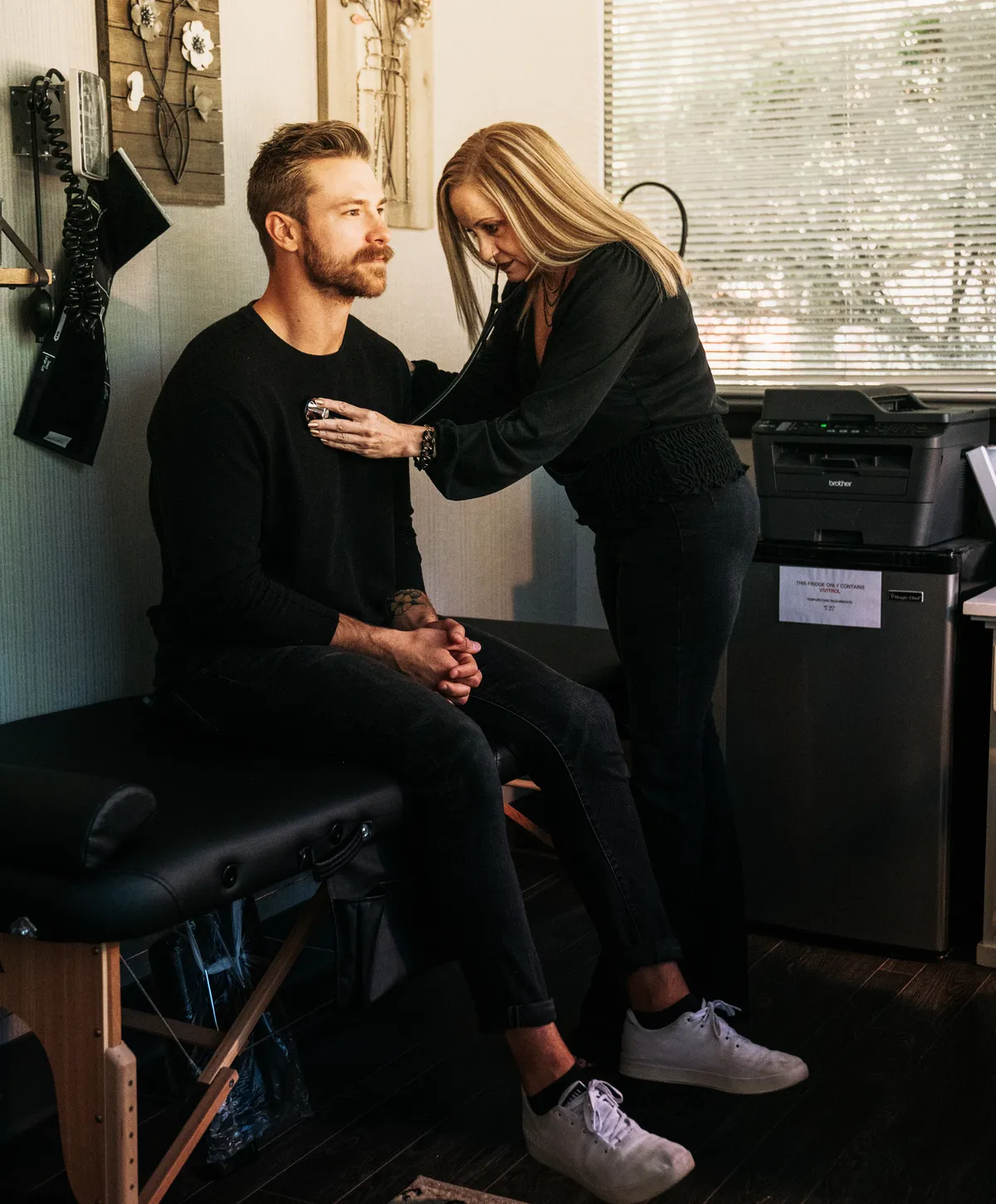
Medical oversight
Medication, managed by our medical team.
- Prescriptions are taken consistently and as directed
- Side effects are caught and reported to your care team quickly
- Dosage is monitored and adjusted for what works
- Medical and psychiatric care stay coordinated with your therapy
Getting started
Admissions in three steps.
- 1
Reach out
About 10 minutesCall (303) 219-0973 or verify your insurance online. A real person answers, and there is no pressure.
- 2
A brief assessment
We talk through what you are facing and confirm IOP is the right level of care, or point you to the one that fits.
- 3
Start your schedule
We build treatment around your work, school, and family, then you begin, in person or virtually.
Good to know
IOP questions, answered.
What is an intensive outpatient program (IOP)?
How long is IOP?
What is the difference between IOP and PHP?
Who is a good fit for IOP?
Can I keep working or going to school during IOP?
Does insurance cover IOP?
What happens after IOP?
Ready to take the next step?
Tell us a little about what is going on. A real person from The Redpoint Center replies within one business day, and everything you share stays confidential.